
7 Little-Known Facts About Eyeglasses That Might Surprise You
Eyeglasses are such a familiar part of everyday life that many people rarely stop to think about how they work, how they have changed over time, or how much engineering goes into a modern pair. For millions of people, glasses are simply part of the daily routine: put them on in the morning, take them off at night, and rely on them throughout the day. Yet frames and lenses involve a combination of vision science, material design, manufacturing, and personal fit that is more complex than it may appear. Visiting an eyeglasses store can introduce shoppers to options that go far beyond choosing a frame color or shape. Lens materials, coatings, measurements, frame construction, and prescription details all contribute to comfort and visual performance.
1. Discovering That Lenses Can Be Made From Different Materials
Many people assume that all eyeglass lenses are made from the same basic material, but modern lenses can be produced from several different types of plastic and other specialized materials. Traditional glass lenses were once common, but many current options use lightweight plastics designed to improve comfort and impact resistance. Materials may vary in thickness, weight, durability, and how efficiently they bend light. Higher-index options can sometimes make stronger prescriptions thinner than conventional materials, which may be especially noticeable around the edges of the lens.
An eyeglasses store may offer several lens materials depending on a person's prescription, lifestyle, and frame choice. Someone who wears glasses throughout the day may prioritize lighter lenses, while another person may need additional impact resistance for certain activities. The size and shape of the frame can also affect which lens materials work best. Choosing the right option is therefore about more than the prescription itself.
2. Learning That Frame Measurements Affect Comfort
Eyeglass frames may look simple, but their dimensions can have a significant effect on how they feel and function. Frames commonly include measurements for lens width, bridge width, and temple length. These numbers help describe how the glasses sit across the face, rest on the nose, and extend behind the ears. A frame that is too narrow may create pressure at the temples, while one that is too wide may slide out of position. Even small differences in fit can become noticeable after hours of wear.
Professionals at an eyeglasses store can help evaluate whether a frame suits the wearer's facial proportions and prescription needs. Adjustments to nose pads, temples, or frame alignment may improve comfort and help keep the lenses positioned correctly. This matters because lenses are designed to work in relation to the wearer's eyes. A fashionable frame may look appealing on the shelf, but a comfortable and stable fit is equally important for people who depend on glasses throughout the day.
3. Recognizing That Lens Coatings Serve Different Purposes
Modern lenses can include coatings or treatments designed to address specific concerns. Anti-reflective treatments may reduce reflections on lens surfaces, while scratch-resistant coatings can help protect against everyday wear. Some lenses may also include treatments intended to reduce glare or make surfaces easier to clean. These options do not all perform the same function, so shoppers may benefit from understanding what each one is designed to do rather than assuming every coating is necessary.
When choosing lenses at an eyeglasses store, customers can ask how different treatments relate to their routines. Someone who spends long hours driving, working under artificial lighting, or using digital devices may have different priorities from someone who primarily needs glasses for reading. Coatings can also affect appearance by reducing visible reflections or helping lenses remain clearer between cleanings. Understanding these options allows shoppers to choose features based on practical needs instead of selecting them only because they are available.
4. Finding That Prescriptions Include More Than Lens Power
An eyeglass prescription may contain several numbers and abbreviations that describe more than simple magnification. Depending on the person's vision needs, a prescription can include values for nearsightedness or farsightedness, astigmatism correction, prism, and additional reading power. Measurements such as pupillary distance may also be important when lenses are made so that the optical centers align correctly with the wearer's eyes. These details help explain why two people with similar-looking glasses may have very different prescriptions.
According to Medical News Today, approximately 75% of Americans need corrective lenses. Because vision needs are so common and varied, an eyeglasses store may work with prescriptions ranging from simple corrections to more complex multifocal designs. Accurate measurements are especially important when lenses have multiple viewing zones or stronger prescriptions. The finished glasses need to combine the written prescription with appropriate frame placement and lens positioning, which is one reason professional fitting and careful measurements can be valuable.
5. Understanding That Frames Use Many Different Materials
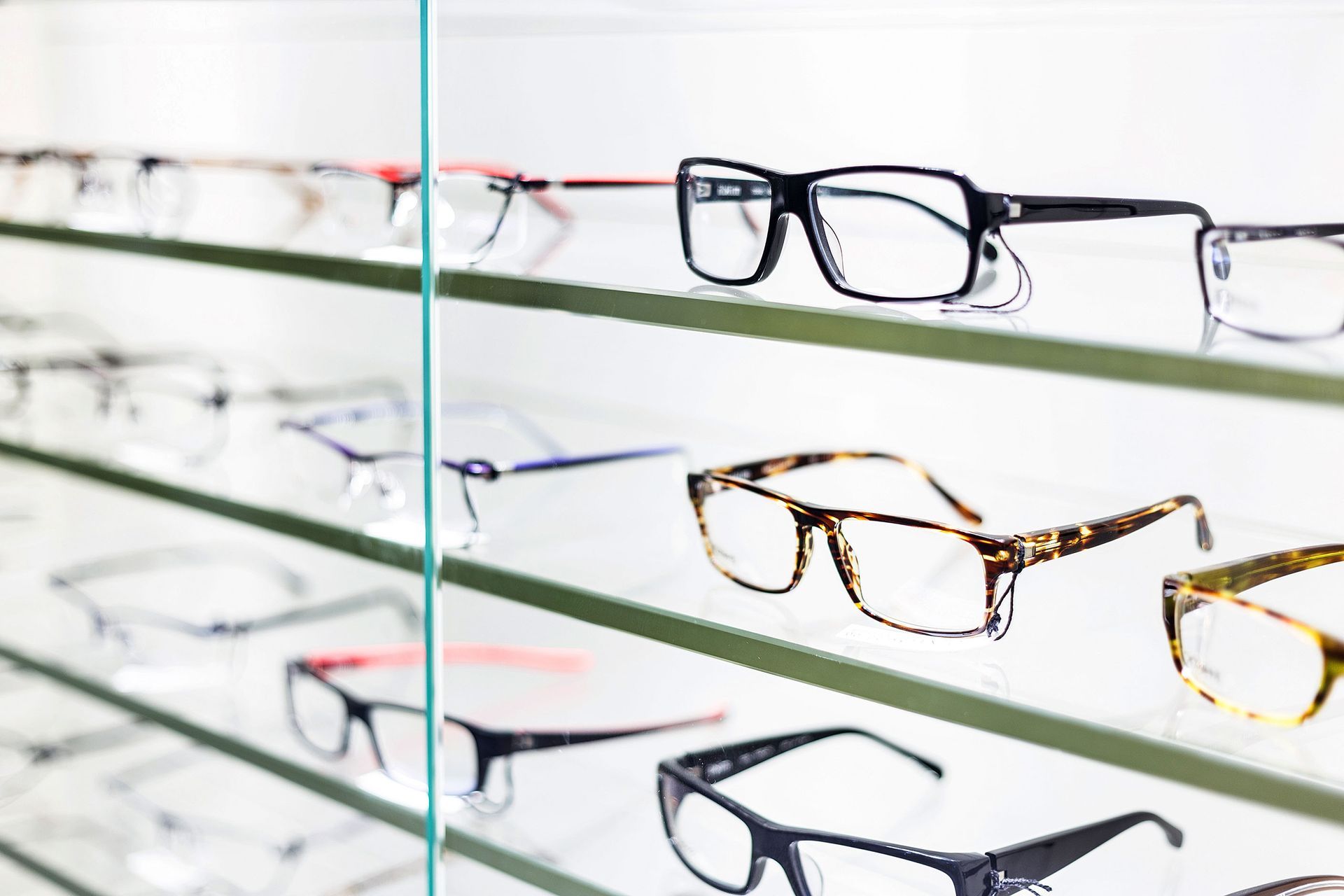
Eyeglass frames can be manufactured from a wide range of materials, each offering different characteristics. Acetate, various metals, stainless steel, titanium, and other materials may be used to create different combinations of flexibility, weight, strength, and appearance. Some frames are designed to be extremely lightweight, while others emphasize bold shapes or thicker profiles. Material choice can also influence how easily a frame can be adjusted and how it responds to regular wear.
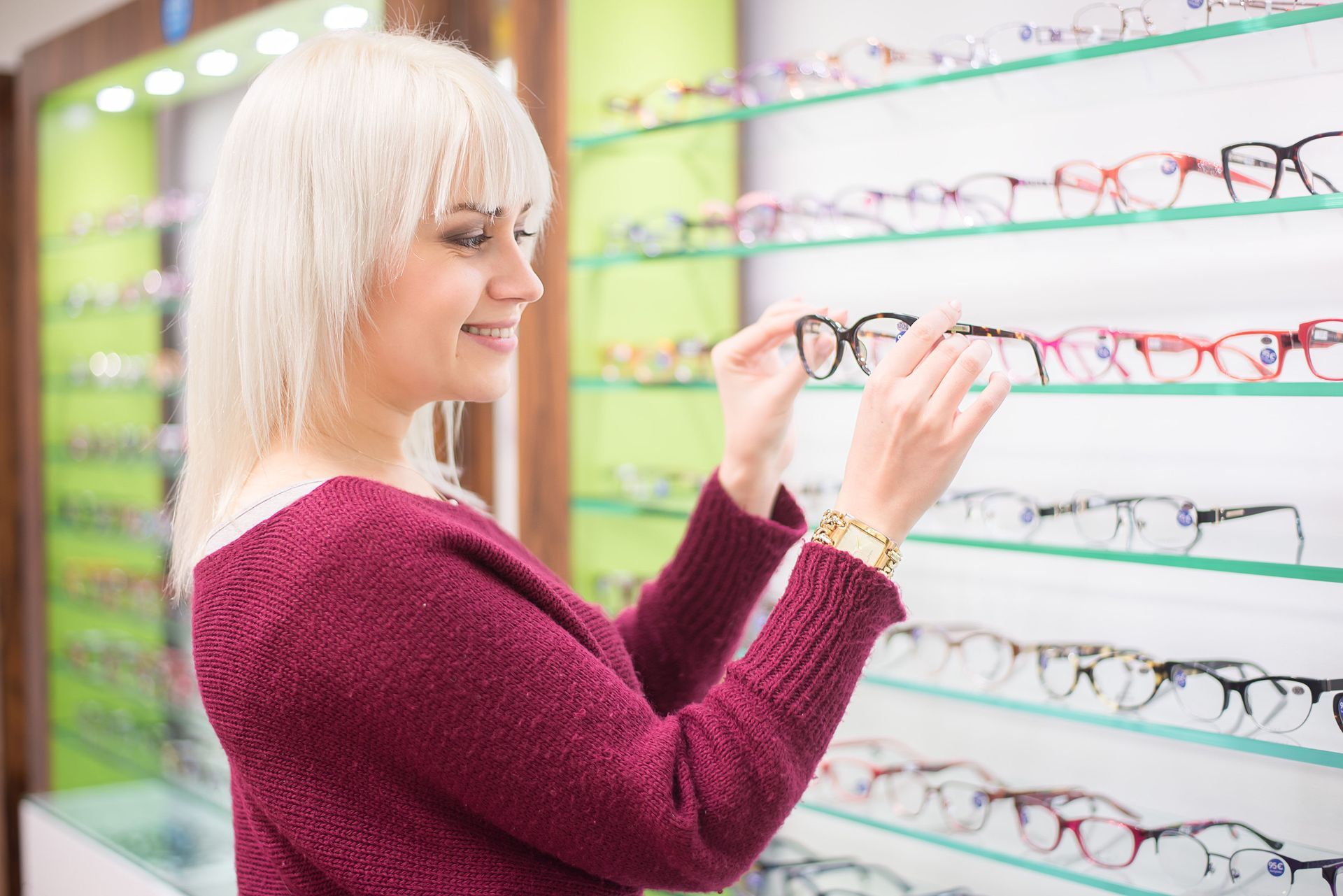
An eyeglasses store may carry frames made from several materials so customers can compare how they feel in person. Someone with sensitive skin may care about the material touching the face, while another shopper may prioritize durability or flexibility. Frame construction also matters because hinges, nose pads, temple designs, and other details can affect daily comfort. Trying on different materials can make it easier to identify which frames feel secure without creating unnecessary pressure.
6. Realizing That Lens Position Can Influence Performance
The prescription printed on a lens order is only part of what determines how well glasses work. The position of the lenses in front of the eyes also matters. Optical centers, lens height, frame tilt, and the distance between the lens and the eye can all influence how a prescription performs. This becomes especially important with multifocal, progressive, or stronger prescriptions, where small changes in positioning may be more noticeable to the wearer.
Professionals fitting glasses at an eyeglasses store may take several measurements after a frame has been selected. These measurements help account for how the chosen frame actually sits on the person's face rather than relying only on standard dimensions. Adjustments may also be made when the glasses arrive to improve alignment and comfort. Proper positioning helps connect the prescription, lens design, and frame into one working system rather than treating each component as separate.
7. Noticing That Eyeglasses Require Routine Care
Glasses are used frequently, so routine care can help keep both lenses and frames in better condition. Lenses can collect fingerprints, dust, skin oils, and other debris throughout the day. Cleaning them with appropriate materials can reduce smudging and help avoid scratches caused by abrasive surfaces. Frames can also loosen over time as screws, hinges, nose pads, and temples experience repeated movement. Small changes may gradually affect how the glasses sit on the face.
A visit to an eyeglasses store can sometimes help with adjustments, cleaning guidance, or replacement of small frame components. Wearers should also store their glasses in a protective case when they are not being used and avoid placing lenses face down on hard surfaces. Regular attention may help glasses remain comfortable and functional for longer. Simple habits can make a noticeable difference, especially for people who wear the same pair every day.
Eyeglasses may seem ordinary, but they combine precise prescriptions, carefully positioned lenses, specialized materials, coatings, frame measurements, and thoughtful fitting. Knowing more about these details can help wearers understand why two pairs of glasses can feel and perform very differently even when they look similar at first glance. The next time you visit an
eyeglasses store, paying attention to lens materials, frame fit, coatings, prescription measurements, construction, positioning, and care can make the selection process more informed. Glasses are not just accessories; they are personalized tools designed to support clearer vision and everyday comfort. For professional help choosing frames and lenses that fit your needs, contact Seacrest Optical Inc.


Share On: